King Salmon, Alaska: The Complete Visitor's Guide
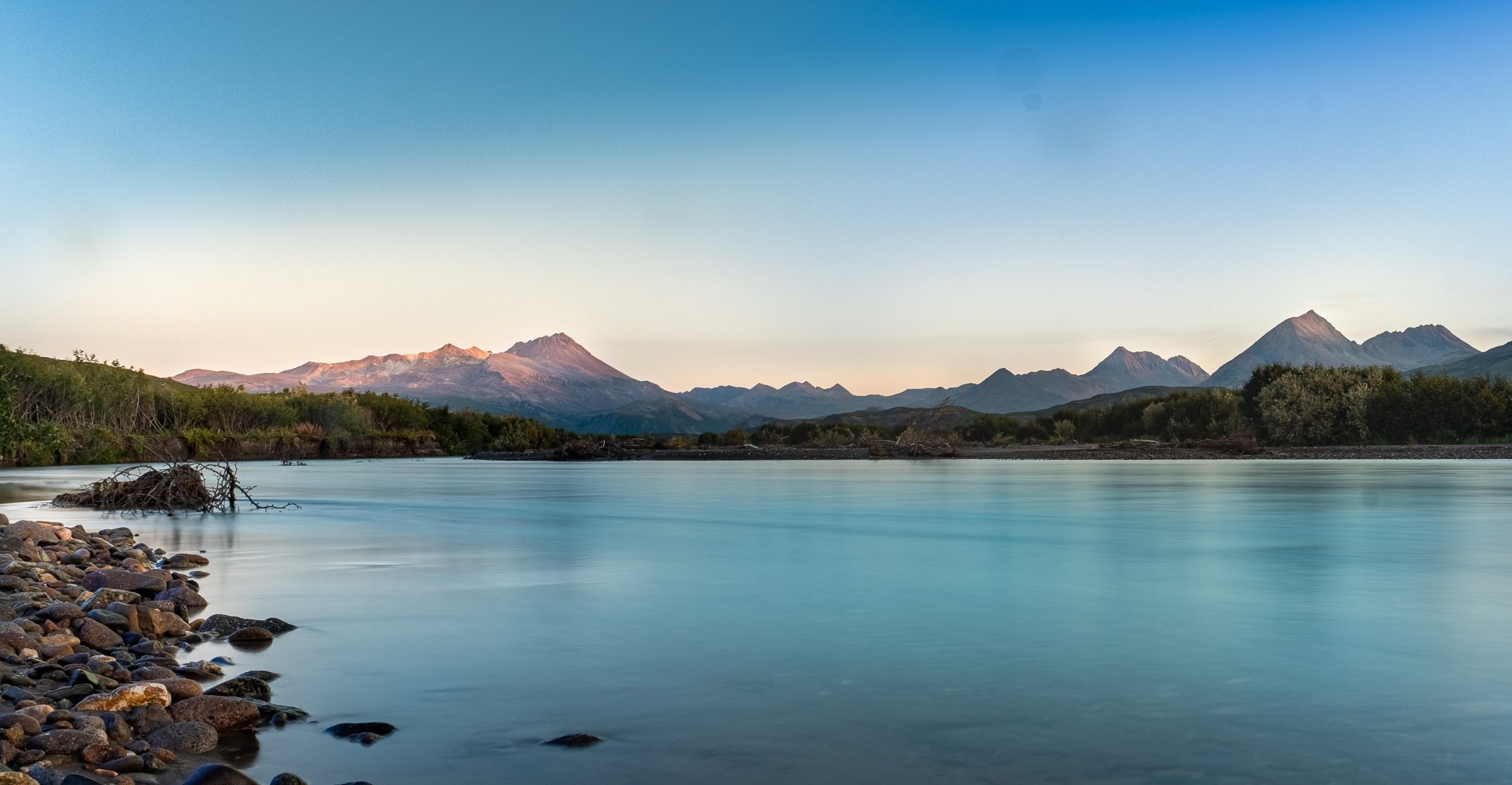
I moved to King Salmon with my family in 2017, and I'm still surprised how little good, straight information there is about visiting this little town at the edge of Katmai. It's the jumping-off point for Brooks Falls and some of the best brown-bear viewing on earth, so I put this guide together to keep the answers, how to get here, when to come, where to stay, and what to expect, all in one place.
- Getting here: fly only, Alaska Airlines from Anchorage, about an hour, commonly ~$500 round trip. No roads or ferries in.
- Best time: late June through September, all of it strong. July has the most bears at the falls, late August is quieter, and September brings the fattest bears.
- Out to Brooks Falls: floatplane (~25 min) or water taxi (a 15-min shuttle to the lake, then ~50 min across), there's no road into Katmai.
- Lodging: inns, lodges, B&Bs and Airbnbs. Limited, and it fills fast, so book early.
- What to pack: layers for mid-50s temps, waterproof boots, rain gear, and a head net plus DEET for the bugs.
A little about King Salmon
King Salmon is a small rural town, population 307 at the 2020 census, sitting inside Bristol Bay, home to the largest sockeye salmon run on earth. It's also the gateway to Katmai National Park and Brooks Falls, the top bear-viewing destination in the world. People come here for two things: the bears and the fish.
How to get to King Salmon
There's really only one option: you fly. King Salmon sits about 280 miles southwest of Anchorage, with no roads or ferries in. Alaska Airlines (and partner Horizon) handles almost all the traffic, roughly an hour from Anchorage, commonly around $500 round trip depending on when you book. We make that run several times every year and it's convenient and consistent. From King Salmon you cross to Brooks by float plane or water taxi, I break it down step by step in how to get from King Salmon to Brooks Falls.
Getting around King Salmon
King Salmon is small. You can walk most of the town, and one local outfit, Alaska Eagle Eye, rents vehicles if you want one. Most visitors find they don't need a car at all. If you're staying with us, you won't: we pick you up at the airport, get you where you need to go, and stop at the store whenever you want to grab something.
When to visit King Salmon
The bear-viewing season runs from about June 20 to September 30, and each stretch has its own character. Days here are long through the summer, roughly 15 to 19 hours of daylight in June and July, easing back to about 12 by late September, so you are never short on time at the falls:
June
June is the early edge of the season. Aim for around June 20 or later: that's when the sockeye reach the Naknek and the bears move to the falls to feed on them.
July
July is the busiest month of the season: the sockeye are running strong and there are so many bears at Brooks Falls it's easy to lose count. It's also when the crowds are heaviest, so you trade a little solitude for the numbers.
August
The back half of the month is a favorite: still plenty of bears, roughly half the crowds, and real platform time. Just know the first week of August still runs busy, a lot like late July, with a short lull around the middle before it picks back up around the 25th.
September
The fat-bear month. Much of King Salmon starts winding down as the season ends, and most day-trip operators stop running around the 18th–20th. We keep running guests to the falls through September 30 when we take the booking before the season starts. For a full month-by-month read, see the best time to see bears at Brooks Falls.
Lodging in King Salmon
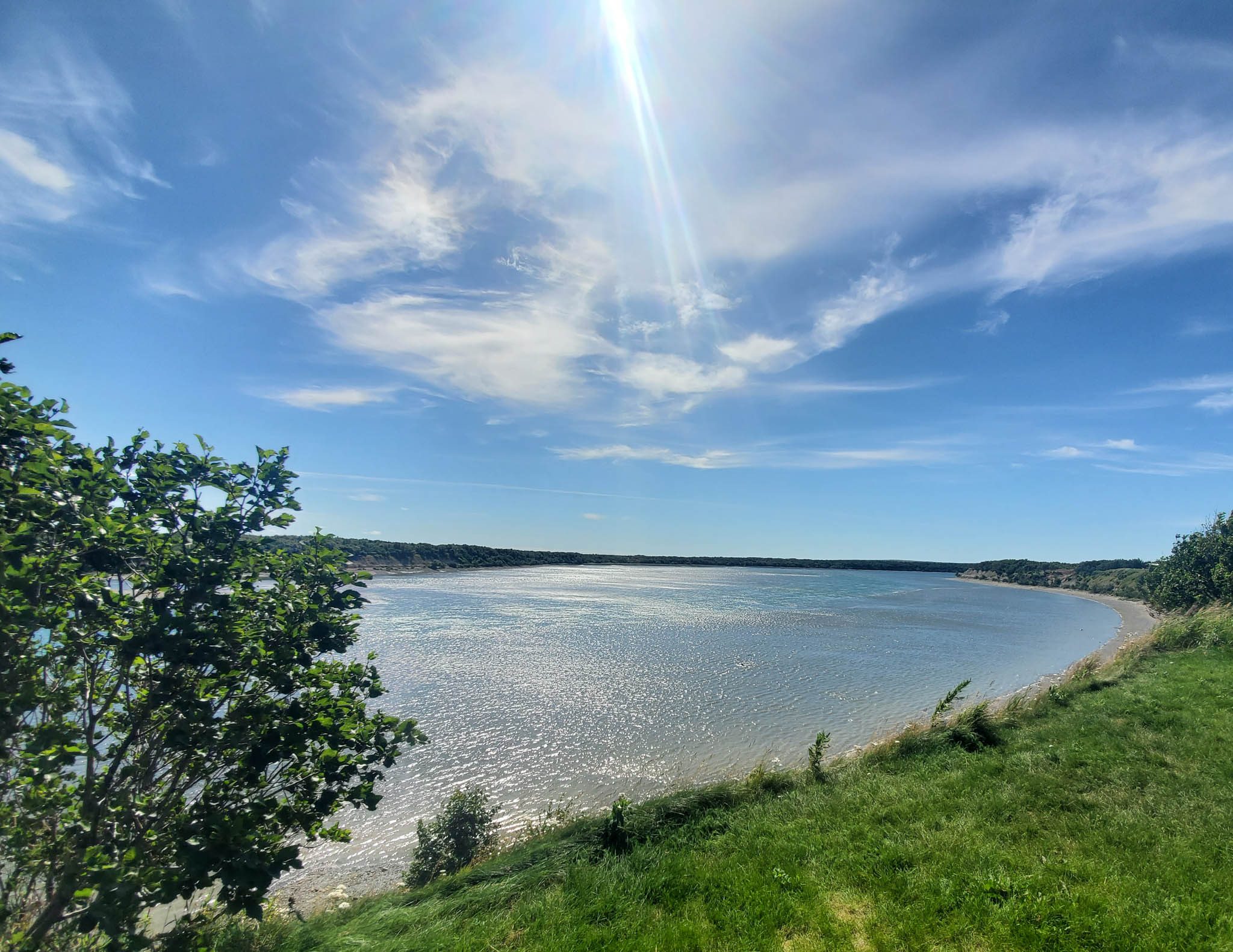
Hotels here are limited, and with a short season and a big summer influx, booking early is never a bad idea. Options run from our own Katmai B&B, a max of six guests, breakfast, trip planning, and transfers, to a handful of cabins, inns, and the odd Airbnb. Rooms are limited and the season is short, so book early.
Fishing in King Salmon & Katmai
The fishing here is some of the best anywhere, and the whole Bristol Bay region is thick with wild salmon. Even half a day on the water is worth it. If that's your thing, guided fishing on the Naknek is one of the activities you can add to a full day with us.
Dining in King Salmon
Two spots, right across the street from each other: the Sockeye Saloon (the newer one, good food, can get busy in July) and Eddie's Fireplace Inn (a local watering hole that serves bar food only these days). Next to Eddie's is the Alaska Commercial store, the grocery, where you'll find most of what you need, if a little pricey.
Staying connected
Cell service here depends heavily on your carrier. GCI works. T-Mobile is call and text only. Verizon is spotty at best, and AT&T has no service at all. WiFi is the reliable way to stay in touch, and it's included with your room here, so you can send the bear photos home the same night.
King Salmon weather and what to pack
King Salmon weather is changeable. June is statistically the driest summer month and September the wettest. Summer temps average in the mid-50s, so long pants, a t-shirt, and a hoodie or sweater with rain gear close at hand is about right. Wear something waterproof on your feet. In late September, bring layers, mornings can dip below freezing.
Bugs
Yes, Alaska has bugs, mosquitoes, white socks, horseflies, gnats. A head net keeps most of them off your face, and DEET-based spray handles the rest. Long sleeves help too.
That about covers King Salmon. If you'd rather have the whole thing handled, lodging, the trip out to Brooks, and the bears, that's exactly what we do.
King Salmon, Alaska, FAQs
How do you get to King Salmon, Alaska?
You fly, there are no roads or ferries in. Alaska Airlines (and partner Horizon) runs the route from Anchorage in about an hour, commonly around $500 round trip depending on when you book. From King Salmon you reach Brooks Falls by floatplane or water taxi.
What is the best time to visit King Salmon?
The season runs June through September. July is peak for both salmon and bears, late August trades sockeye for silvers with about half the crowds (early August still runs busy, much like late July), and September is the fat-bear stretch. For fishing, plan around June 8 when the season opens.
Where do you stay in King Salmon?
Options are limited: a few in-town inns, all-inclusive fishing lodges, B&Bs like ours, cabins, a campground, and some Airbnbs. Rooms are limited and the season is short, so book early.
Is there anything to do in King Salmon besides bear viewing?
Plenty. Salmon and trophy trout fishing on the Naknek River, wildlife and birdwatching, flightseeing, and the quiet of remote Bush Alaska. Most people come for the bears at Brooks Falls and the fishing.
What should you pack for King Salmon?
Layers for mid-50s summer temps, waterproof footwear, and rain gear you can reach fast, June is the driest month and September the wettest. Bring a head net and DEET for mosquitoes, and extra warm layers if you're visiting late September.
Do you need a car in King Salmon?
No. The town is small and walkable, and there's little reason to drive. A rental is available from Alaska Eagle Eye if you want one, but guests staying with us get airport pickup and don't need a car.
Is there cell service in King Salmon?
It depends on your carrier. GCI works, T-Mobile is call and text only, Verizon is spotty at best, and AT&T has no service at all. WiFi is the dependable option, and it's included with your stay.
Keep planning: see where to stay in King Salmon by trip type, model your budget with the trip-cost calculator, and read the best time to see the bears.